




Home » Dressed Like Art: The Creative Power of Fashion

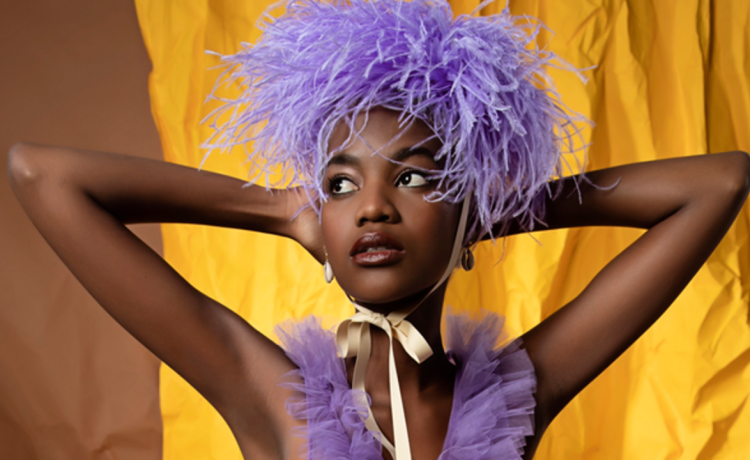
Fashion as art is a perspective that transforms the way we see clothing—from something purely functional into a powerful form of creative expression. Just like painting, sculpture, or music, fashion has the ability to evoke emotion, challenge norms, and communicate ideas without words.
When we begin to look at fashion through this artistic lens, garments become more than fabric stitched together; they become statements, stories, and living works of art.
At its core, fashion as art is about intention and creativity. Designers are not simply creating clothes to be worn—they are crafting visual experiences. Every detail, from the cut of a silhouette to the choice of material and color palette, is carefully considered.
A flowing gown might mimic the movement of water, while a sharply structured jacket can resemble architectural design. In this sense, fashion borrows from multiple artistic disciplines, blending elements of design, sculpture, and even performance into a single medium.
One of the most compelling aspects of fashion as art is its ability to exist in motion. Unlike a painting that hangs on a wall, fashion comes alive when worn. The human body becomes part of the artwork, influencing how a piece moves, fits, and is perceived.
This dynamic quality adds depth to fashion, making it interactive and ever-changing. A garment can look entirely different depending on who wears it and how they carry it, which means the “final form” of the artwork is never fixed.
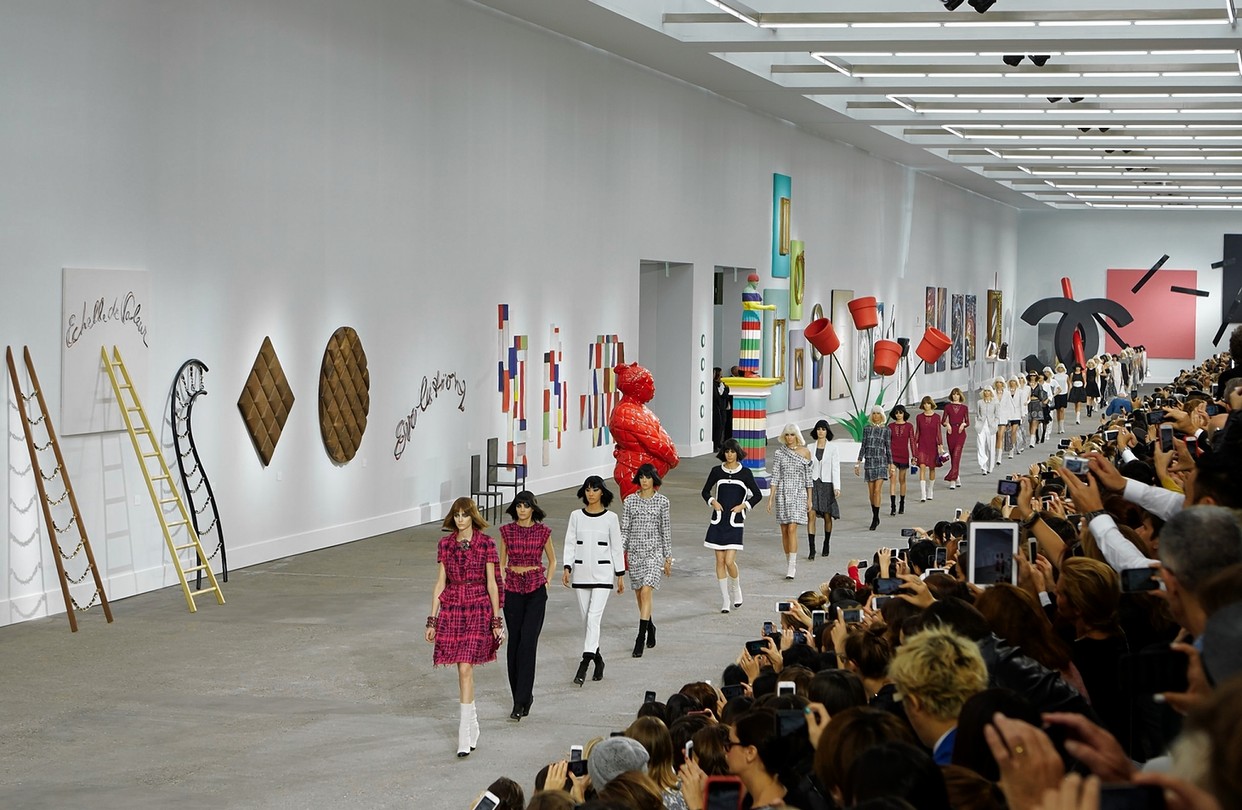
Fashion also serves as a reflection of cultural and social narratives, much like traditional art forms. Throughout history, clothing has been used to signal status, rebellion, identity, and belonging. In modern times, designers often use their collections to comment on political issues, environmental concerns, or societal shifts.
A collection might explore themes like gender fluidity, sustainability, or cultural heritage, turning the runway into a stage for storytelling. In this way, fashion becomes a visual language—one that can critique, celebrate, or question the world we live in.
Another important dimension of fashion as art is its emotional impact. Just as a powerful painting can stir feelings of joy, nostalgia, or discomfort, fashion can evoke deep emotional responses. The texture of a fabric, the boldness of a color, or the drama of a silhouette can all influence how we feel.
For the wearer, clothing can be empowering, comforting, or transformative. For the viewer, it can be inspiring or thought-provoking. This emotional connection is what elevates fashion beyond utility and into the realm of art.
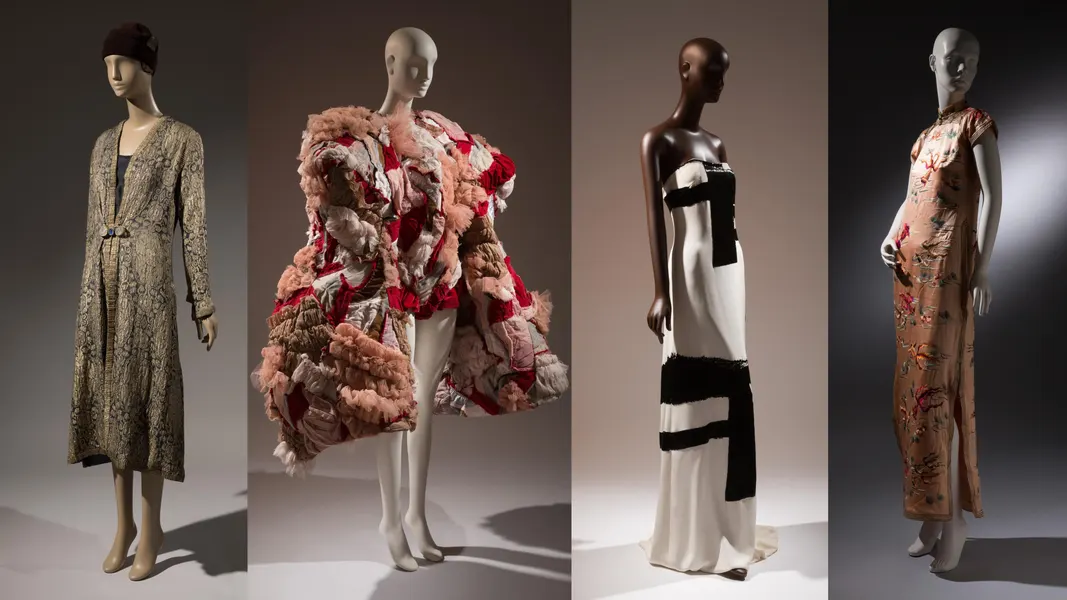
The boundary between fashion and art has become increasingly blurred in recent years. Museums and galleries now regularly exhibit fashion pieces, recognizing their artistic value. Iconic designs are preserved and displayed alongside traditional artworks, inviting audiences to appreciate the craftsmanship and vision behind them.
These exhibitions highlight the intricate techniques involved in garment creation—from hand embroidery to innovative fabric manipulation—emphasizing that fashion requires both technical skill and artistic imagination.
Collaboration has also played a key role in strengthening the relationship between fashion and art. Designers frequently work with painters, photographers, and digital artists to create multidisciplinary experiences.
These collaborations result in collections that feel immersive and conceptual, pushing the boundaries of what fashion can be. The runway itself often becomes a performance space, complete with elaborate sets, music, and choreography, further reinforcing the idea that fashion is a form of artistic expression.
At the same time, fashion as art is not limited to high-end design or runway shows. Everyday style can also be a form of artistic expression. The way individuals combine pieces, experiment with colors, or reinterpret trends reflects their personal creativity. Street style, in particular, demonstrates how fashion can be both accessible and innovative. People become artists of their own appearance, using clothing as a medium to express identity and mood.
However, the idea of fashion as art also raises interesting questions. Can something designed for commercial purposes still be considered art? Does the need for wearability limit creativity? These debates highlight the unique position fashion occupies—it exists at the intersection of art and industry. While it must function as clothing, it also has the potential to transcend practicality and become something more meaningful.
Looking ahead, the concept of fashion as art will likely continue to evolve. Advances in technology, such as digital design and virtual fashion, are expanding the possibilities of what can be created. Designers are no longer confined to physical materials, allowing for more experimental and imaginative forms.
At the same time, the growing emphasis on sustainability is encouraging a more thoughtful and intentional approach to design, which can deepen the artistic value of fashion.
Ultimately, seeing fashion as art invites us to appreciate it on a deeper level. It encourages us to look beyond trends and brands and focus on creativity, craftsmanship, and meaning. Whether it’s a couture masterpiece or a carefully styled everyday outfit, fashion has the power to tell stories, evoke emotions, and inspire new ways of thinking. And in that sense, it is not just something we wear—it is something we experience, interpret, and create.
Ana
You Might Also Like
The Best Colors And Styles For Your Body Type
November 1, 2024
How To Build A Capsule Wardrobe For Effortless Style
February 22, 2024
Top 10 Fashion Trends to Watch This Season
January 1, 2024

