




Growing carriers need more than basic tools to manage daily operations. As fleets expand, dispatch, tracking, accounting, driver communication, documents, and customer updates can quickly become difficult to control. The right trucking software helps companies organize their workflow, reduce manual work, improve visibility, and make better decisions with accurate data. Instead of relying on spreadsheets, phone calls, and disconnected systems, carriers can use one platform to manage loads, equipment, drivers, payments, and reports. This guide explains what growing carriers should look for in trucking software and how the right solution can support smoother operations and long-term business growth today.
Contents
Key Features to Look for in Trucking Software
When choosing trucking software, carriers should look for tools that make daily operations easier, faster, and more organized. Strong software should include dispatch management, load tracking, driver communication, document storage, accounting, payroll, maintenance, reporting, and customer updates. A good system should also be simple to use, so teams do not waste time switching between too many screens or manual spreadsheets.
The Rute company is a good example of a business that has built its own TMS with the real needs of trucking companies in mind. According to feedback from the trucking industry, Rute is becoming one of the trusted solutions for carriers that want better control, clearer visibility, and smoother daily workflow.
How Dispatch Tools Improve Daily Fleet Operations
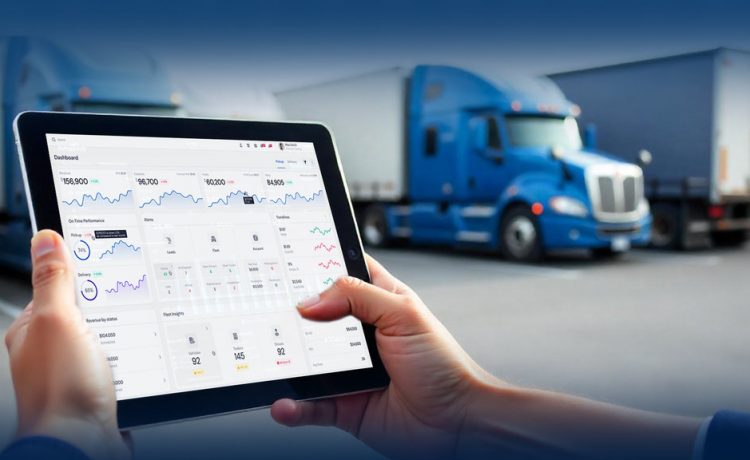
Dispatch tools help carriers manage daily fleet operations with more control and less confusion. Instead of relying on phone calls, spreadsheets, and separate notes, dispatchers can use software to assign loads, track driver status, plan routes, and manage updates in one place.
This makes it easier to see which trucks are available, which loads are active, and where drivers are during the day. Good dispatch software also helps reduce delays, improve communication, and prevent mistakes caused by missing information. For growing carriers, these tools are especially important because more trucks and more loads can quickly create operational pressure. With better dispatch visibility, companies can save time, stay organized, and keep customers informed throughout the delivery process.

Why Tracking and Visibility Matter for Carriers
Tracking and visibility are important because carriers need to know where their trucks, drivers, and loads are at every stage of the trip. Without clear visibility, dispatchers may waste time calling drivers, checking updates manually, or trying to solve problems after delays already happen. Good tracking software gives teams real-time information, helping them react faster, answer customer questions, and keep operations under control. It also helps reduce confusion between dispatchers, drivers, brokers, and shippers.
For growing carriers, visibility becomes even more valuable because managing more loads without accurate updates can lead to missed details and poor communication. With better tracking tools, companies can improve service, build trust with customers, and make smarter decisions every day.
How Accounting Software Helps Carriers Control Costs
Accounting software helps carriers understand where money is going and how daily expenses affect profit. In trucking, costs can come from fuel, driver payments, maintenance, repairs, tolls, insurance, factoring, and other operating expenses. When these details are managed manually, it is easy to miss payments, lose documents, or make reporting mistakes. Good accounting tools help companies track invoices, organize payroll, monitor expenses, and review financial performance in one place. This gives carriers a clearer view of cash flow and helps them make better decisions. For growing fleets, accounting software is especially useful because small cost errors can become bigger problems over time. With better financial control, carriers can protect profit and plan future growth more confidently.
Choosing the Right Trucking Software for Long-Term Growth
Choosing the right trucking software is an important decision for carriers that want to grow without creating more operational problems. The best system should be easy to use, flexible, and strong enough to support dispatch, tracking, accounting, documents, maintenance, driver management, and reporting. Carriers should also think about how the software will support them as they add more trucks, drivers, customers, and loads.
A good platform should save time, reduce manual work, and help teams make faster decisions based on accurate information. Long-term growth depends on having tools that can keep the business organized as operations become more complex. With the right trucking software, carriers can improve efficiency, protect profit, and build a stronger foundation for the future.
Conclusion
Trucking software has become an important part of running a modern carrier business. As companies grow, they need better ways to manage dispatch, tracking, accounting, documents, drivers, and daily communication. The right software helps reduce manual work, improve visibility, control costs, and keep operations more organized.
For growing carriers, choosing the right platform is not only about solving today’s problems, but also about preparing for future growth. A strong trucking software solution can help teams work faster, make smarter decisions, and provide better service to customers. With the right tools in place, carriers can build a more efficient and reliable operation.